
Fly Screen Doors

Guide to Fly Screen Door Colours 

Matching the Colour of a Fly Screen Door to the Surrounding Décor


Style and décor are about all the elements of a space working together. If we add a new element, like a Fly Screen door, we must either make sure it suits its surroundings, or that we change the surrounding to suit the door. The door should complement the existing decor, harmonizing with the exterior to create a cohesive look.

Matching Colours with Yellow Brick

Yellow brick homes have a warm, inviting yet bright appearance that can be complemented by a range of colours for your fly screen door. Here are a few suggestions:

White: A classic choice, white fly screen doors offer a clean, crisp contrast to yellow bricks. This combination highlights the bright, warm tones of the brick while providing a timeless look. White is a safe choice that goes with almost anything.

Black: For a bold statement, a black fly screen door can add a modern touch to a yellow brick home. Black provides a strong contrast, making the entrance stand out, and adding a touch of sophistication.

Brown: Shades of brown, such as bronze or chocolate, can create a harmonious look with yellow bricks. This gives a more earthy aesthetic. Brown doors blend naturally with the warm tones of the bricks.

Green: Soft shades of green, such as sage or olive, can complement yellow brick by adding a subtle pop of colour. This is an unusual combination of natural colours, which don’t often appear together. Think of sand and greed grass together. Green works well with the natural tones of the brick and can give your home a charming, cottage-like feel.


Matching Colours with Dark Brick

Dark brick homes, such as those with deep red, brown, or even black bricks, have a striking, elegant appearance. They have an ‘old family’, ‘old tradition’ feel about them. Here are some colour options for fly screen doors that pair well with dark brick:

White: A white fly screen door against dark brickwork is a high-contrast look, both eye-catching and classic. This combination brightens the entrance and emphasizes the architectural details of the home.

Gray: Medium to light grey doors provide a softer contrast to dark brick, almost blending in, creating a sophisticated and modern look. Gray is a versatile colour that can work with different dark shades of brick.

Red: Try this for a unified appearance – a red fly screen door that matches or slightly contrasts the brick. This creates a cohesive and monochromatic look that is both elegant and stylish.

Black: A black fly screen door on a dark brick home can create a sleek, contemporary look. This monochromatic approach adds a sense of luxury and modernity to the exterior.


Matching Colours with White Painted Timber

White painted timber exteriors offer a fresh, clean canvas that can be paired with numerous colours for your fly screen door. Here are some ideas:

White: For a seamless and minimalist look, a white fly screen door blends perfectly with a white timber exterior. This creates a unified, clean appearance that is both modern and timeless.

Black: A black fly screen door provides a striking contrast to white painted timber, adding depth and interest to the facade. This combination is chic and contemporary, making a strong visual statement.

Blue: Shades of blue, such as navy or sky blue, can add a refreshing pop of colour to a white timber exterior. Blue doors evoke a coastal or cottage charm, bringing a touch of personality to your home.

Green: Soft greens, such as mint or forest green, can complement white timber beautifully. Green adds a natural, serene element to the exterior, creating a welcoming and harmonious look.

Gray: Light to medium grey fly screen doors provide a subtle contrast to white timber, offering a sophisticated and modern appearance. Gray is a versatile and elegant choice that works well with various architectural styles.


Tips for Selecting the Right Colour

Consider the Overall Style

The colour of any fly screen doors should match the overall style of your home. Traditional homes may benefit from classic colours like white or black, while modern homes can experiment with bolder choices.

Test Samples

Before making a final decision, test colour samples on your door frame. This allows you to see how the colour looks in different lighting conditions and how it complements the surrounding decor.

Think About the Trim

If your home has coloured trim, consider how the fly screen door will look against it. The door colour should either match or complement the trim to create a cohesive appearance.

Consider the Landscaping

The colour of your fly screen door should also work with the surrounding landscape. Do you have ivy growing on your dark brick home? Think about how the screen door colour will look with your plants, flowers, and other outdoor elements.


Fly Screen Doors

Take some time to consider the right colour for your fly screen door. And consider the possibility of repainting the existing door and frame a new colour to suit the new fly screen door. By thinking about the trim, home exterior, and landscaping, you can find the perfect colour that ties your home’s exterior together beautifully.

Information Disclaimer
The content of this article is meant for informational purposes only and should not be considered a source of professional advice, recommendations, or endorsements. It is not a substitute for seeking expert guidance or making well-informed decisions based on individual circumstances. Although we strive for accuracy and reliability, we cannot guarantee the information's completeness or suitability for all situations. Readers are urged to verify facts, consult experts, and consider their own context before taking actions or decisions based on this content. No warranties, explicit or implied, are provided regarding the accuracy, timeliness, or completeness of the presented information. Relying on this information is at the reader's own discretion and risk. We encourage readers to consult relevant professionals or experts for advice tailored to their specific needs. Neither the author, publisher, nor any affiliated parties will be held responsible for errors, omissions, or damages resulting from the use or reliance on the information in this article.

window blinds

How do I choose the right window blinds?

There are many benefits to having Window Blinds

  • The right window coverings allow light in or block light as needed.
  • Blinds and window coverings help the interior temperature be more consistent and comfortable
  • Blinds allow privacy- nobody can see inside.
  • Some blinds allow most light through while still providing privacy.
  • Ease of use – You just press the switch or pull the cord to open and close the blind.
  • Protect against furniture are carpets fading in the Sun.
  • Allows open windows to let the air in, while still providing privacy.
  • Help keep insects out, though fly screen mesh is better for this.
  • Cleaning is often easy – vacuuming will remove most of the dust.
  • Budget – Blinds last for decades, so they are worth investing in, especially when ordering the blind online.
  • Block out all lights for sleeping, or for using a home theatre.

Some other considerations if you are inclined to choose window blinds for your living room, kitchen, bathroom, or caravan:

  • The blind can be chosen to complement the wall colour or the colour scheme of your home.
  • You may go for a matching colour or opt for contrasting shades. For example, if the colour of the walls is dark, we recommend going for curtains that are lighter in shade.
  • There are exterior and interior blinds for homes.
  • Cover Functionality – Do you need to block all light, and let all light through at other times? Do you need privacy but still want some natural light? Choose a blind that allows these options. A translucent blind lets light in while giving you privacy, as will some light curtains.
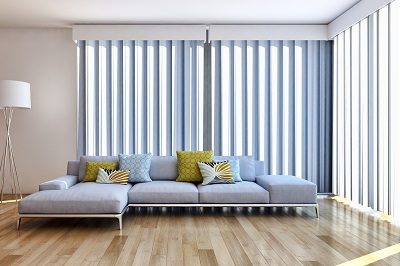
  • Type of Window and Door – If you have large double sliding doors then you will find large verticle or honeycomb blinds that allow you to make use of the door space when needed. These blinds also work well for large windows.
  • There are many options in styles, choose the one that’s just right for your needs. Think about the level of privacy you desire. Go for the window blinds that look sharp and control the amount of light you want to come in.
  • If you have children, choose only child-safe blinds. (Some are not safe for kids). Also, consider the accessibility of the blinds. Go for motorised blinds if you want greater accessibility.

As the last point, window blinds can do their main function, but they can also do more! If you choose the appropriate blinds, the window blind can add more to the aesthetics of the space.

Different Types of Window Blinds

  • Vertical Blinds
  • Horizontal Blinds
  • Venetian Blinds (vertical)
  • Roman Blinds
  • Roller Blinds
  • Pleated Screen Blinds
  • Plantation Shutters (internal on external)
  • Exterior Window Blinds

With a range of window blinds, curtains and fly screen mesh options we are spoilt for choice, so it can be a little difficult to decide. It helps to consider all the practical and aesthetic factors.

Our products cover roller blindsvertical blindsdual roller blinds, and Venetian blinds. Whether it’s for sunlight protection, interior design purposes, or the privacy of your home, SK Screens & Blinds is here to assist you as your wants come true. Please call us now for a free quote.

Window Blinds

Information Disclaimer
The content of this article is meant for informational purposes only and should not be considered a source of professional advice, recommendations, or endorsements. It is not a substitute for seeking expert guidance or making well-informed decisions based on individual circumstances. Although we strive for accuracy and reliability, we cannot guarantee the information's completeness or suitability for all situations. Readers are urged to verify facts, consult experts, and consider their own context before taking actions or decisions based on this content. No warranties, explicit or implied, are provided regarding the accuracy, timeliness, or completeness of the presented information. Relying on this information is at the reader's own discretion and risk. We encourage readers to consult relevant professionals or experts for advice tailored to their specific needs. Neither the author, publisher, nor any affiliated parties will be held responsible for errors, omissions, or damages resulting from the use or reliance on the information in this article.

Vertical Blinds Sydney

Which blinds are best for privacy and light?

Vertical Blinds Sydney: Practical Window Coverings for Light Control and Privacy

Vertical blinds are a popular and versatile window covering option known for their functionality, affordability, and ease of maintenance. They consist of individual slats that hang vertically and can be adjusted to control light, privacy, and airflow. In this article, we will explore the features, benefits, and considerations of vertical blinds.

Features of Vertical Blinds:

Material Variety:

Vertical blinds are available in a wide range of materials, including fabric, vinyl, aluminium, and faux wood. This variety allows homeowners to choose blinds that complement their décor and meet specific functional needs.

Light Control:

One of the primary advantages of vertical blinds is their excellent light control capabilities. By adjusting the angle of the slats, occupants can filter or block incoming sunlight to create the desired ambience.

Privacy:

Vertical blinds offer a high level of privacy. When closed, they effectively prevent outsiders from seeing into the interior while still allowing for some natural light to filter through.

Customizable Width and Length:

Vertical blinds can be customized to fit windows of various sizes and shapes, making them suitable for a wide range of architectural configurations.

Easy Operation:

Vertical blinds typically feature a wand or cord mechanism that allows for easy and precise control over the position of the slats. Additionally, motorized options are available for added convenience.

Low Maintenance:

Cleaning vertical blinds is straightforward. Depending on the material, they can be wiped down with a damp cloth, vacuumed, or even removed and washed, making them a practical choice for busy households.

Benefits of Vertical Blinds:

Affordability:

Vertical blinds are often more budget-friendly compared to other window treatment options like curtains, drapes, or shutters, making them an economical choice for homeowners.

Space Efficiency:

Unlike curtains or drapes that require space to billow and gather, vertical blinds stack neatly to the side, allowing for an unobstructed view and maximizing usable space in a room.

Suitability for Large Windows or Sliding Doors:

Vertical blinds are an ideal choice for covering large expanses of glass, such as sliding glass doors or floor-to-ceiling windows, providing effective light control and privacy.

Considerations for Vertical Blinds:

Material Selection:

Different materials have unique characteristics. For instance, fabric vertical blinds offer softness and texture, while vinyl or faux wood options are moisture-resistant and easy to clean.

Cord Safety:

For households with young children or pets, consider cordless or motorized options to eliminate potential safety hazards associated with traditional corded blinds.

Looking for Vertical Blinds in Sydney?

Vertical blinds are a practical and functional window covering solution that offers benefits such as light control, privacy, and ease of maintenance. Their versatility, affordability, and suitability for various window sizes and styles make them a popular choice for homeowners seeking a practical and aesthetically pleasing window treatment option. Understanding the features and considerations of vertical blinds will help you make an informed decision that aligns with your specific needs and preferences.

Information Disclaimer
The content of this article is meant for informational purposes only and should not be considered a source of professional advice, recommendations, or endorsements. It is not a substitute for seeking expert guidance or making well-informed decisions based on individual circumstances. Although we strive for accuracy and reliability, we cannot guarantee the information's completeness or suitability for all situations. Readers are urged to verify facts, consult experts, and consider their own context before taking actions or decisions based on this content. No warranties, explicit or implied, are provided regarding the accuracy, timeliness, or completeness of the presented information. Relying on this information is at the reader's own discretion and risk. We encourage readers to consult relevant professionals or experts for advice tailored to their specific needs. Neither the author, publisher, nor any affiliated parties will be held responsible for errors, omissions, or damages resulting from the use or reliance on the information in this article.